Finding a rental in an unfamiliar city involves more than comparing square meters and monthly costs. This section is organized around what renters typically need to understand before committing to a lease.
The monthly rent figure is only one part of the equation. Families who have relocated report that neighborhood infrastructure — transport, schools, noise, and daily services — often has a greater impact on quality of life than the property itself.
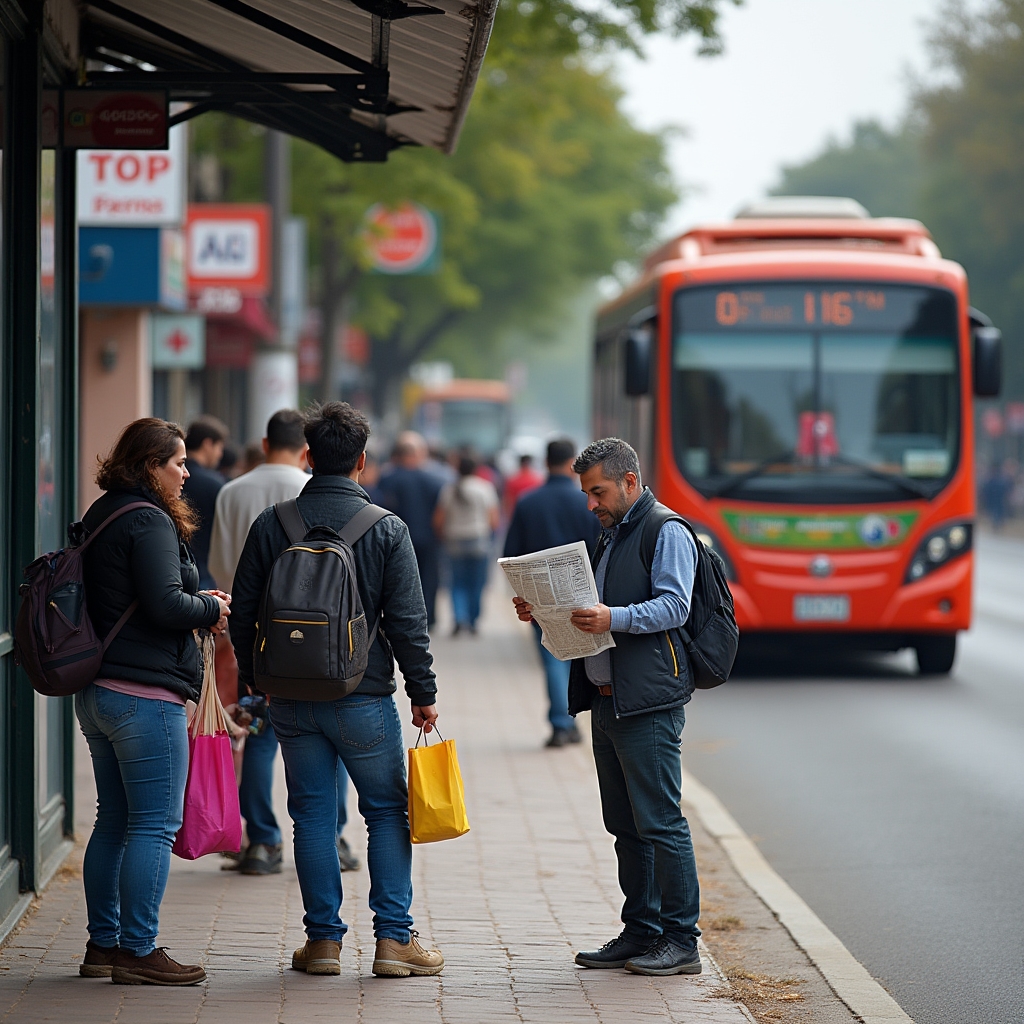
Which bus lines serve the area, how frequently they run, and how far the nearest stop is from the property. Consider your daily commute and whether children will need transport to school.
Distance to public and private schools at primary and secondary level. Walking distance versus needing a vehicle or school transport can significantly affect daily logistics and costs.
Ambient noise levels vary significantly between neighborhoods and even between streets within the same barrio. Traffic corridors, markets, and nightlife areas create very different living environments.
Access to supermarkets, pharmacies, and markets affects the practicality of daily life. Some residential areas require a vehicle for basic shopping; others have everything within walking distance.

Rental prices in Asunción and the metropolitan area vary considerably depending on location, property type, and available infrastructure. Here's what shapes those differences.
Central Asunción neighborhoods and those with strong transport links typically carry higher rental costs than peripheral areas or less-connected municipalities.
Apartments, houses, and duplexes at similar sizes can carry different price points depending on building age, security features, and whether parking or utilities are included.
Properties on main avenues tend to be noisier but may offer better transport access. Side streets offer more quiet but may require walking further to reach bus stops.
Rental markets fluctuate seasonally and in response to broader economic conditions. Our profiles include indicative ranges rather than fixed prices to reflect this variability.
Access to public transport is one of the most significant factors affecting quality of life for renters who don't own a vehicle — or who prefer not to depend on one for daily commuting.
Each neighborhood profile in our directory includes information on which bus lines serve the area, the approximate frequency during peak and off-peak hours, and the typical walking distance to the nearest stop from residential streets.
Check Neighborhood Transport DataUse our neighborhood directory to gather the information that matters before committing to a rental. Compare areas, review real photos, and understand what daily life looks like in each zone.